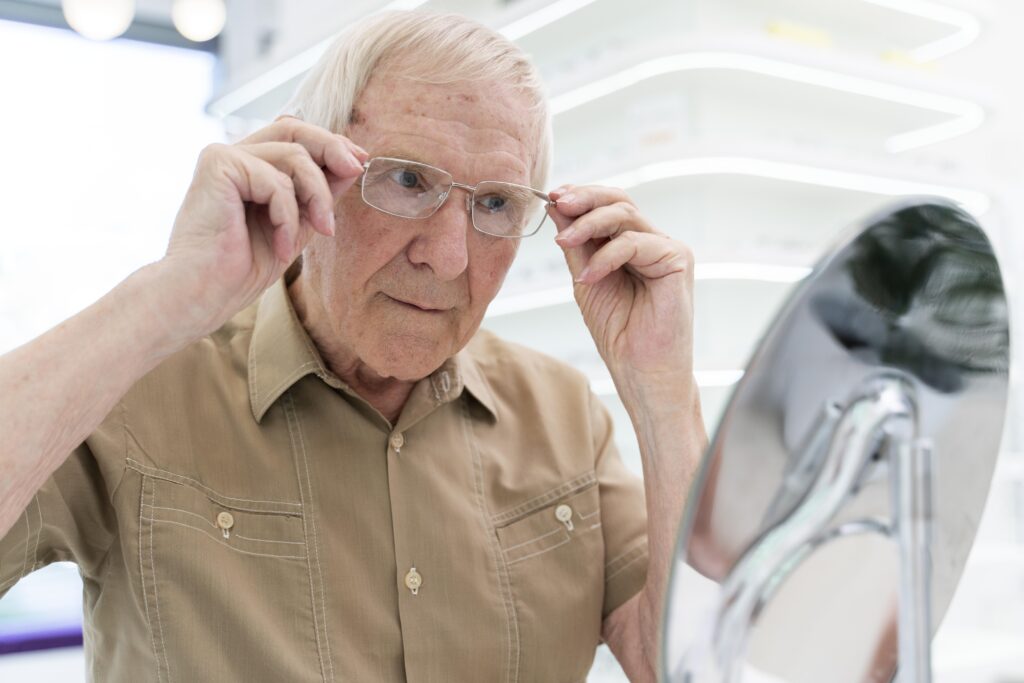
If you have been diagnosed with macular degeneration or another eye condition causing low vision, you may feel like your world has suddenly become smaller. You may find yourself wondering, “What happens now?” or “Is there a way to continue doing the things I love?”
Many patients leave their initial medical appointment with plenty of information about their retina or eye condition but no clear plan for managing the effects of low vision in everyday life.
A diagnosis may explain what is happening to your eyes, but it does not always answer questions such as:
- How will I continue reading?
- How will I recognize the faces of the people I love?
- Can I continue enjoying my hobbies?
- What can I do when everyday tasks become more difficult?
At Low Vision BC, we believe that understanding your diagnosis is only the first step. The next step is finding practical low vision solutions that can help you make the most of your remaining vision and continue living as independently and confidently as possible.
How Can a Low Vision Assessment Help Me?
A comprehensive low vision assessment focuses on much more than simply identifying an eye condition. While understanding your eye health is important, low vision care focuses on how your vision affects your ability to perform everyday activities.
When you visit a Low Vision BC optometrist, the conversation is centred around your goals and your independence.
We may ask you:
“What are the activities you miss the most?”
Perhaps you want to read your favourite books again, recognize faces more easily, watch television, work on crafts, cook, use your phone, or simply feel more confident moving through your everyday environment.
This approach to low vision rehabilitation is about maximizing the vision you still have. Rather than focusing only on what has been lost, we explore ways to help your remaining vision work more effectively for you.
Can Low Vision Solutions Help Me Continue Reading?
Does it feel like standard reading glasses just aren’t enough anymore? 📖
Many people with low vision assume they eventually have to give up reading. However, the problem may be that the tools they are currently using are not designed for their specific vision needs.
At Low Vision BC, we can help you explore specialized low vision devices and solutions, including:
- Customized Magnification: Finding the appropriate level of magnification for your vision and the activities you want to perform.
- Enhanced Lighting: Proper lighting can improve contrast and make reading and other close-up activities more comfortable.
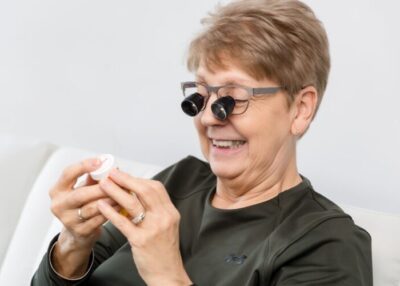
- Advanced Low Vision Optics: Specialized glasses and optical devices may help you perform certain activities more effectively.
- Electronic Magnification: Technology can enlarge text and images and may provide additional flexibility for reading and viewing everyday items.
The goal is not simply to provide a stronger pair of glasses. Low vision solutions are selected based on your vision, your goals, and the specific activities you want to continue doing.
Can Low Vision Care Help Me Stay Active and Independent?
Low vision can affect many areas of everyday life. Activities that once felt simple—reading labels, managing medications, shopping, cooking, recognizing people, or navigating unfamiliar environments—can gradually become more challenging.
Low vision rehabilitation focuses on finding ways to help you remain as independent as possible.
Depending on your individual needs, a low vision assessment may identify solutions to help with:
- Reading mail, books, and labels
- Recognizing faces
- Watching television
- Using a computer, tablet, or smartphone
- Managing medications
- Cooking and household tasks
- Seeing steps, curbs, and obstacles
- Reducing the effects of glare
- Improving contrast
- Continuing hobbies and recreational activities
At Low Vision BC, we understand that maintaining independence means something different to everyone. That is why low vision care should always begin with understanding what matters most to you.
How Can I Get Back to the Hobbies I Love With Low Vision?
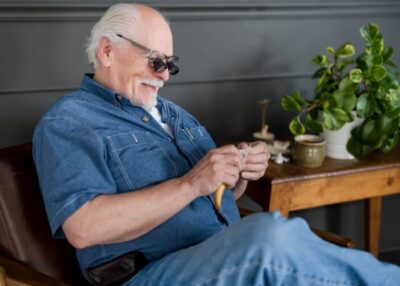
Are you missing out on sewing, woodworking, playing cards, crafts, gardening, or other activities you once enjoyed?
Low vision can sometimes lead people to withdraw from hobbies and social activities, but the right low vision tools and strategies may help make certain activities more accessible.
During a low vision assessment, we focus on the specific tasks you want to perform. This allows us to explore individualized solutions that may include magnification, specialized lighting, enhanced contrast, glare control, and advanced optical devices.
Instead of simply asking, “How well can you see?” we also ask:
“What do you want to be able to do?”
That difference is at the heart of low vision rehabilitation.
Can Low Vision Devices Help With Glare and Contrast?
For many people living with low vision, glare can make everyday activities significantly more difficult. Bright sunlight, reflective surfaces, overhead lighting, and changing lighting conditions may reduce visual comfort and make it harder to see important details.
Specialized low vision filters, tinted lenses, and protective eyewear designs may help reduce uncomfortable glare in certain environments.
Improving contrast can also make it easier to distinguish objects from their surroundings. Small changes in lighting, contrast, and the tools you use can sometimes make a meaningful difference in how comfortably you perform everyday tasks.
A Low Vision BC optometrist can help determine which low vision solutions may be appropriate for your specific needs.
Takeaways for Your Low Vision Journey
- Low Vision Care Focuses on Daily Life: A low vision assessment looks at how your vision affects the activities that are important to you.
- Your Goals Matter: Your hobbies, independence, and everyday needs help guide your individualized recommendations.
- Lighting and Contrast Can Make a Difference: The right environment can help you use your remaining vision more effectively.
- Low Vision Solutions Are Individualized: Specialized optics, magnification, technology, filters, and other devices are selected based on your unique vision and goals.
- You May Have More Options Than You Realize: A low vision diagnosis does not necessarily mean giving up the activities that matter most to you.
Take the Next Step With Low Vision BC
If low vision is affecting your ability to read, recognize faces, enjoy hobbies, or manage everyday activities, you do not have to navigate these challenges alone.
At Low Vision BC, our focus is on helping you make the most of your remaining vision through individualized low vision assessments and specialized solutions tailored to your goals.
With the right support and low vision solutions, you may be able to continue living independently, staying active, and enjoying everyday life with greater confidence.
Learn more about how Low Vision BC can help you make the most of your remaining vision by calling 855-640-8752 or visiting Low Vision BC.